









AREA Analytics

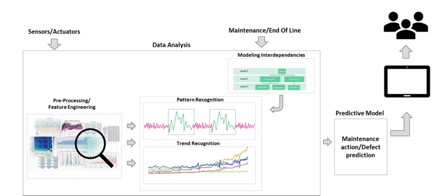
Area Analytics integrates cutting-edge data science methods to guide organizations from raw data collection to informed, proactive decision-making. The approach combines Computational Data Science, Causal Analysis, Visual and Interactive Interfaces, and Decision Support Systems. The goal is to transform data-driven intelligence into actionable insights and recommendations, enabled by AI, explainable models, and innovative visualization techniques.  

Our area empowers professionals with advanced tools, enabling organizations to optimize operations, maintain quality standards, and predict maintenance needs.

Research Approach

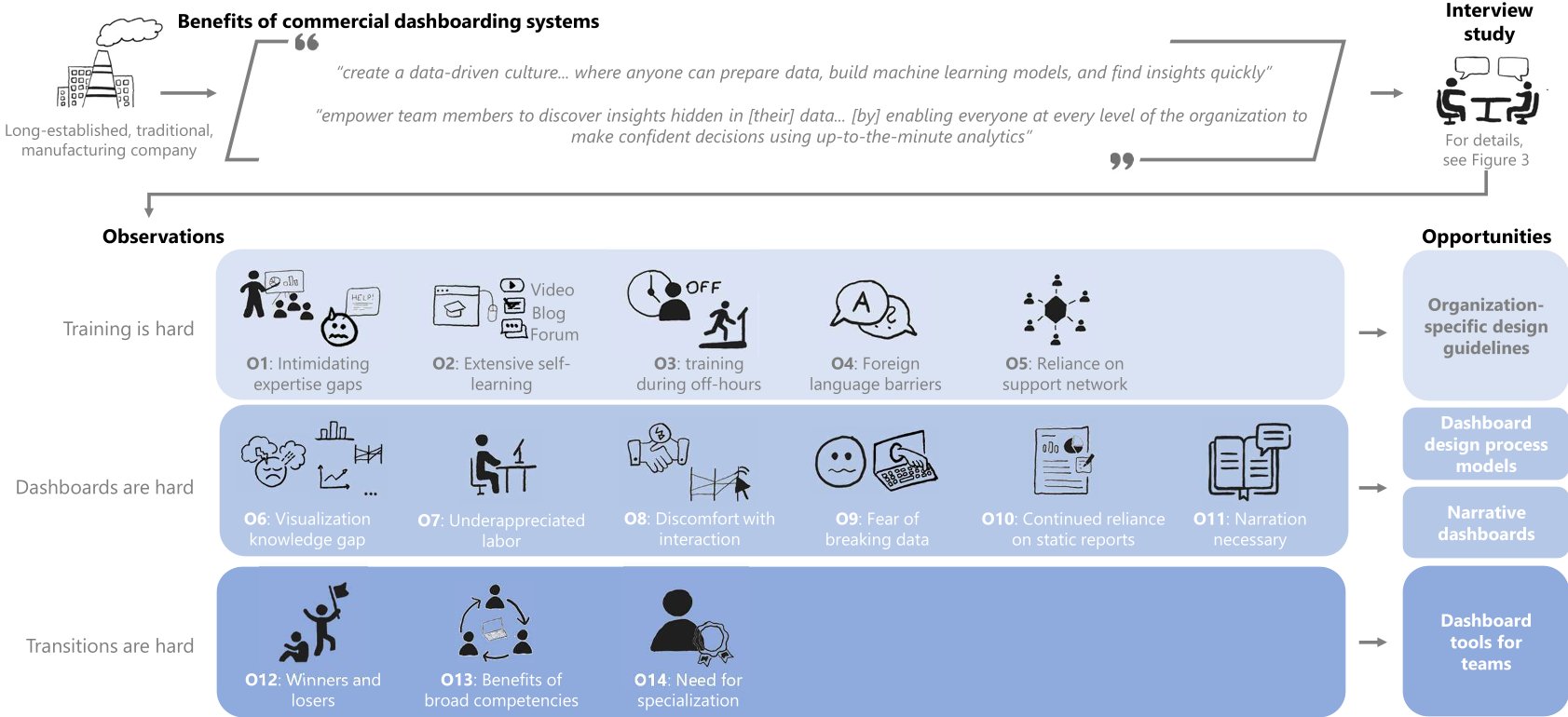
Our research approach integrates data-driven and causal methos with interactive, AI-powered user interfaces. We develop scalable solutions leveraging advanced machine learning and deep learning algorithms, enhanced through explainable AI (xAI) for enhanced transparency. To ensure clarity and engagement, we develop personalized visualizations tailored to user needs. By combining causal inference with decision-support systems, our solutions go beyond prediction by uncovering underlying causes and delivering actionable, evidence-based insights.

Technologies and Innovations

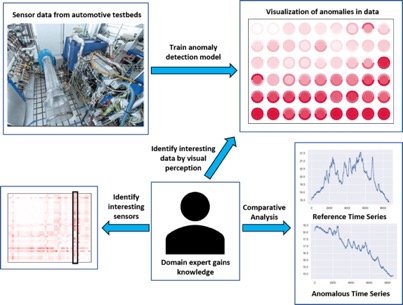
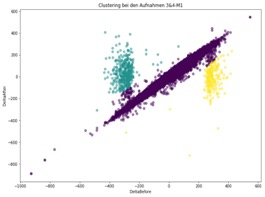
  • Advanced Anomaly Detection in Complex, High-Dimensional Data
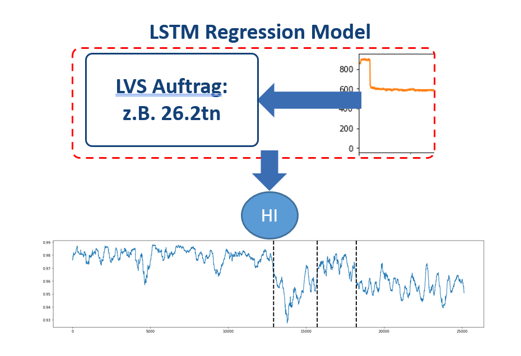
  • Hybrid Data-Driven and Knowledge-Based Degradation Monitoring
  • AI-Powered Process Optimization for Sustainable and Green Manufacturing
  • Process Mining Enhanced with Causal Insights
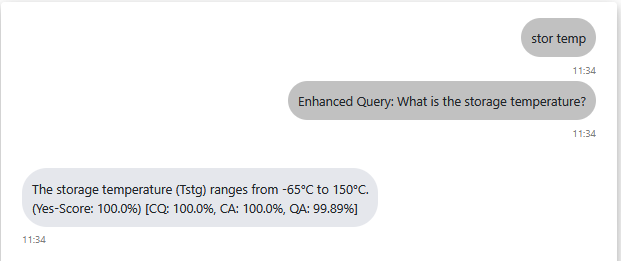
  • Trustworthy Generative AI for Decision Support
  • Causality-Driven Transfer Learning for Cross-Domain Adaptation
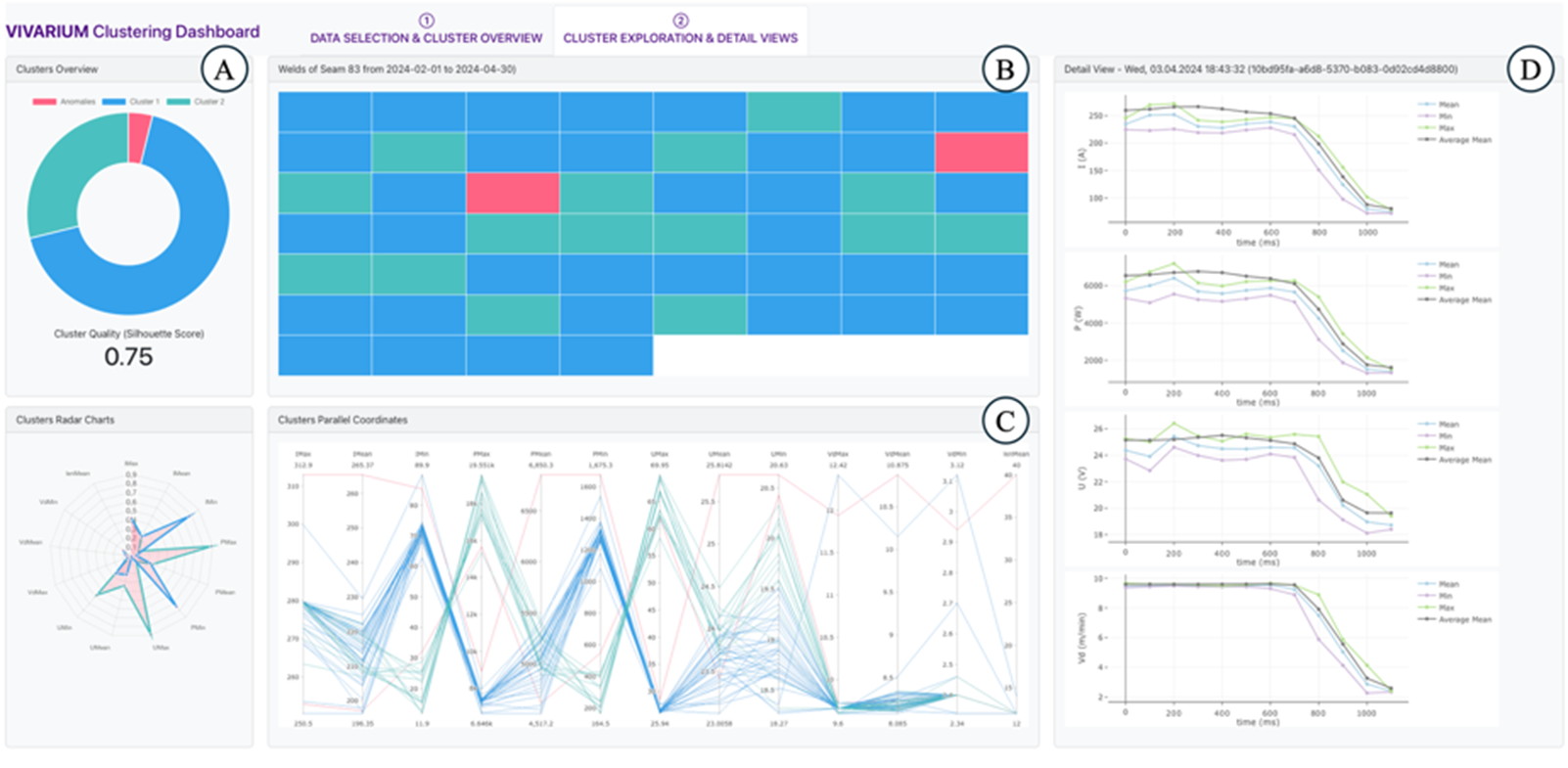
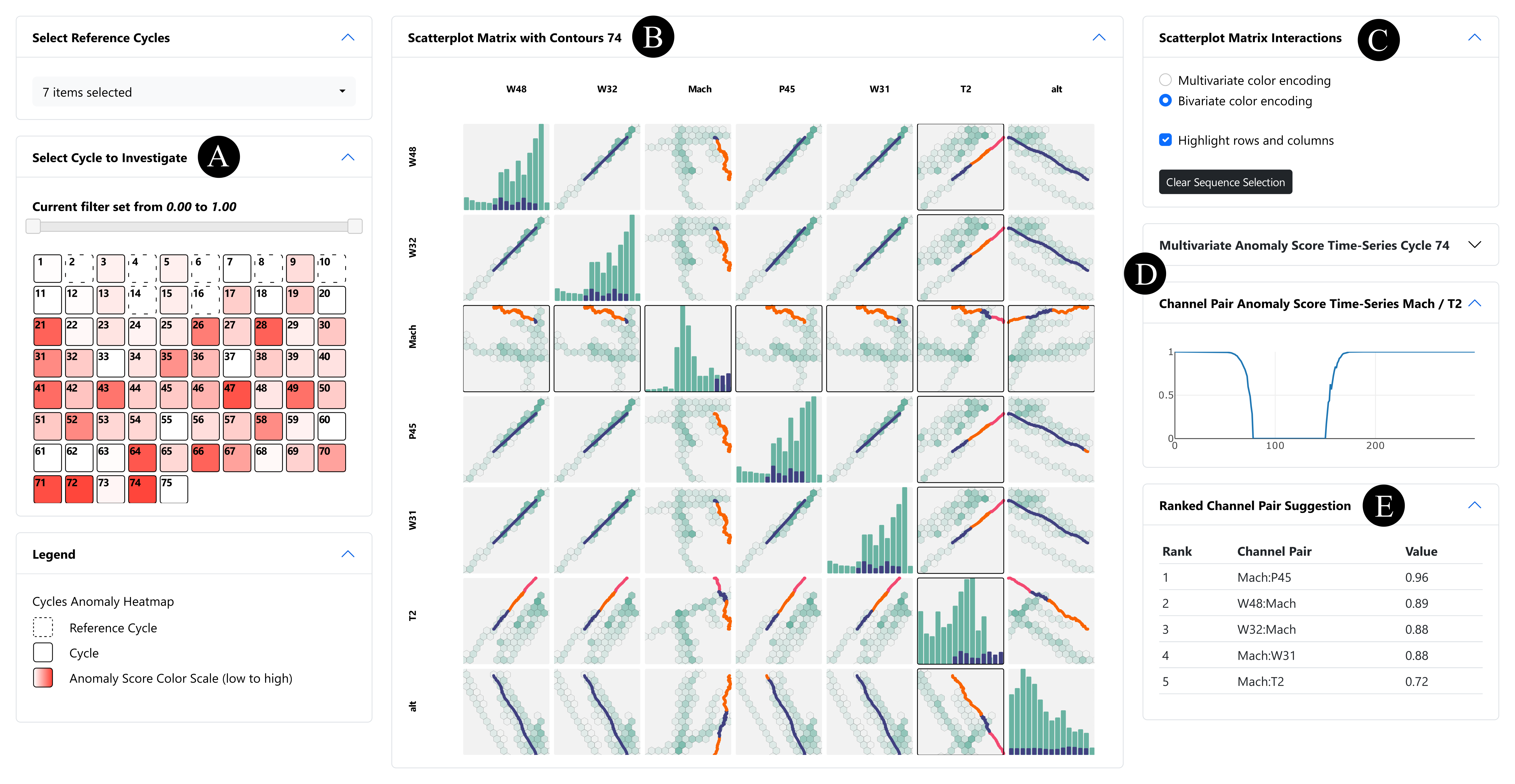
  • Interactive AI Monitoring and Explainability Dashboards
  •  

Industries

  • Industrial Manufacturing
  • Mobility and Automative
  • Electronics and High-Tech Components
  • Industrial Automation and Engineering Solutions

Topics

Computational Data Science

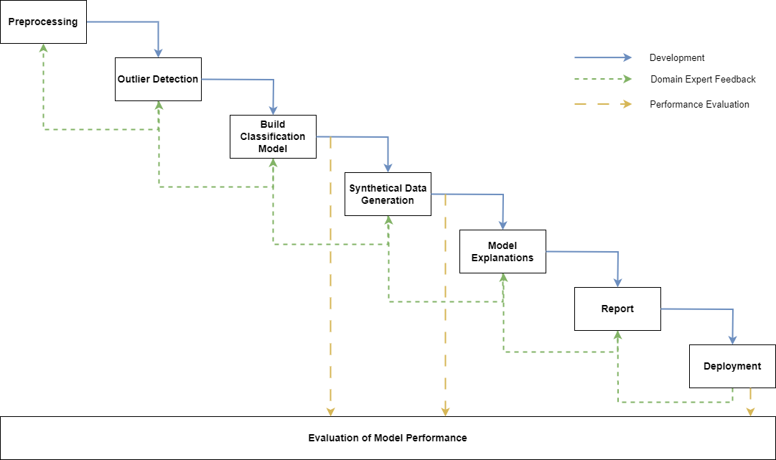
Foundation for data-driven innovation includes machine learning, deep learning, statistical analysis, and time series forecasting. The goal is to develop robust models for prediction, classification, and anomaly detection applicable to complex industrial processes.

Causal Data Science

Enables understanding of cause-effect relationships in data. Through causal discovery, root-cause analysis, and counterfactual explanations (e.g., for what-if-analysis), organizations can move beyond correlation to make informed decisions based on causal insights.

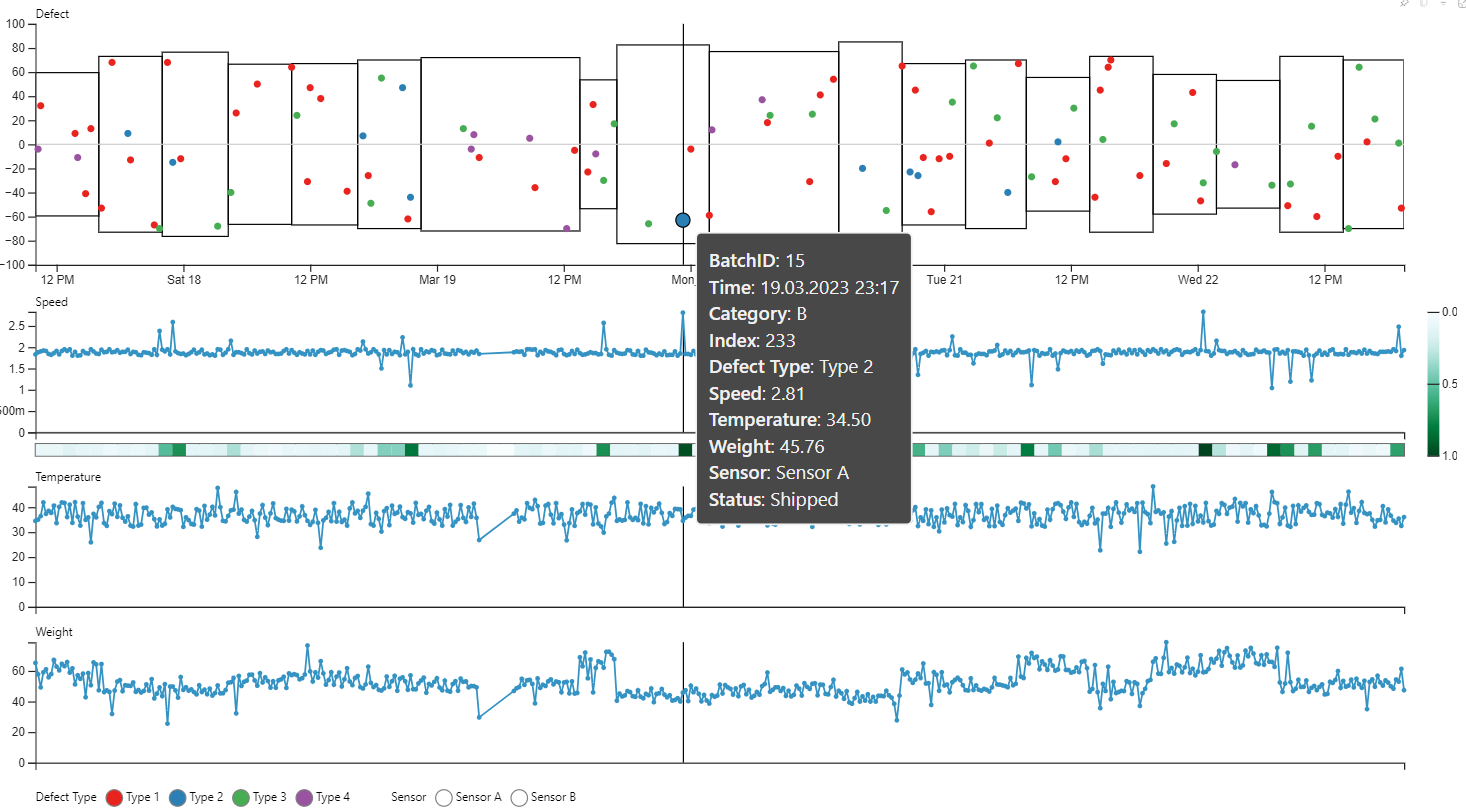
Proactive User Interfaces & Visual Data Science

Focuses on interactive, explainable AI systems. Using xAI methods like SHAP and saliency maps, complex models are made transparent. Custom dashboards and visualizations support users in interpretation and decision-making.

Decision Support & Prescriptive Analytics

Integrates AI-powered recommendation systems, knowledge models, and generative approaches (e.g., LLMs, vLLMs) to automate data-driven decision-making. The aim is to transform data into concrete recommendations for operational and strategic processes.